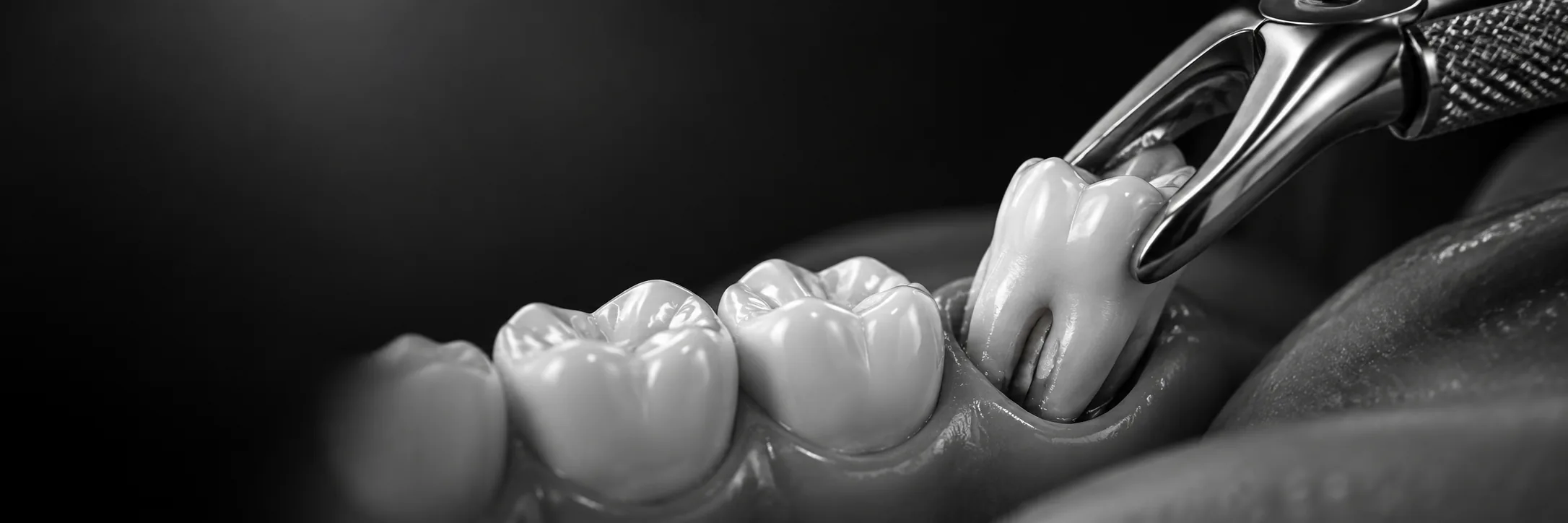
Wisdom Tooth ExtractionWisdom Tooth
We check the position of the wisdom tooth and how deeply it is impacted, then plan the extraction considering the condition of the surrounding teeth and gums.
Wisdom teeth are the last permanent teeth to come in, usually starting in the late teens to early twenties. Some erupt normally, but when there is not enough space or they grow in at an angle, they can cause gum inflammation or affect the neighboring teeth.
Wisdom Tooth Extraction Candidates
When inflammation around the wisdom tooth gums recurs
When a cavity develops in the wisdom tooth or adjacent tooth
If you have pain or discomfort due to an impacted wisdom tooth
When wisdom teeth affect surrounding teeth and gums
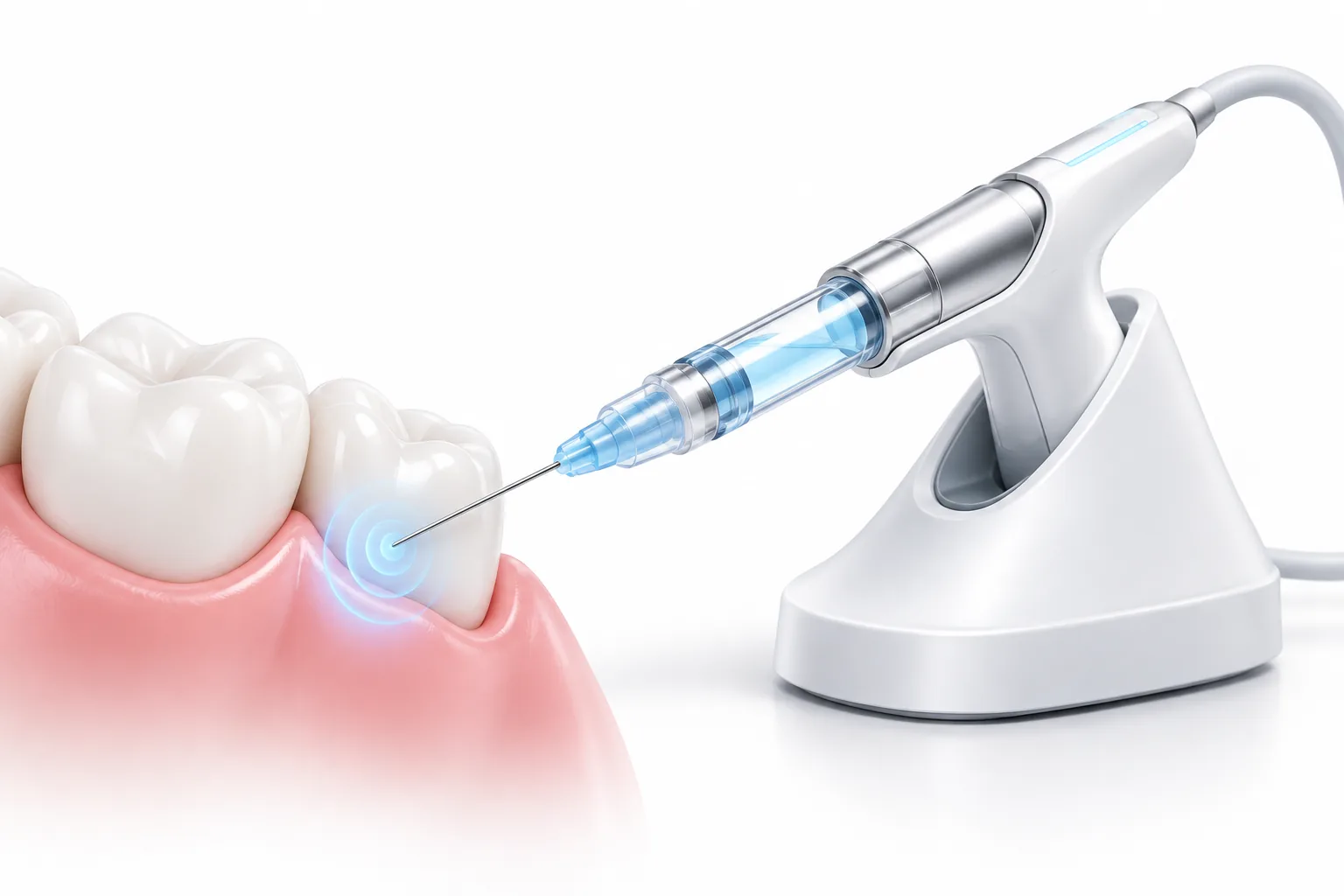
Pain relief system: Anesthesia device available
Using an anesthesia device that administers anesthetic at a steady rate helps reduce pain and discomfort that may be felt during the anesthesia process.
Cases by Wisdom Tooth Type
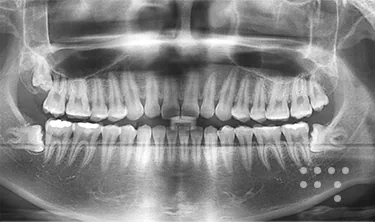
Impacted Wisdom Tooth
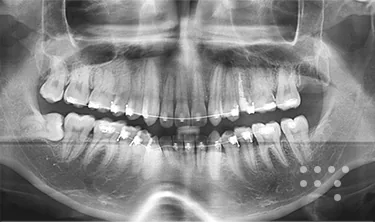
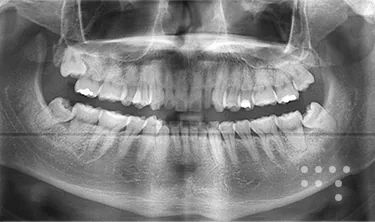
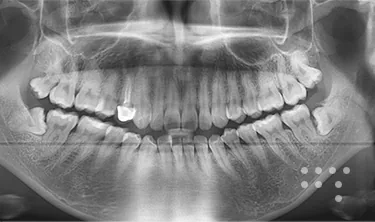
Horizontal Wisdom Tooth
Wisdom Tooth Extraction Process
After confirming the position of the wisdom tooth, its root shape, and its relationship with surrounding tissues
We establish an extraction plan.
01 Oral Examination and Precision Examination
We confirm the position and root shape of the wisdom tooth through oral condition and X-ray, and, When Necessary, we perform a CT scan.
02 Local Anesthesia
Local Anesthesia is administered at the extraction site to reduce pain and discomfort.
03 Wisdom Tooth Extraction
Extraction is performed according to the wisdom tooth's position and degree of impaction.
04 Post-extraction Care
We provide guidance on post-extraction precautions and care methods for recovery.
Related Treatments
Frequently Asked Questions
Not all wisdom teeth need to be extracted. However, if they are difficult to care for because a toothbrush cannot reach them well, or if there is a possibility of cavities and gum problems in the surrounding teeth, extraction may be recommended. After checking the position and condition of the wisdom tooth, we will inform you of the need for extraction.
After Confirmation of the position of the wisdom tooth, the direction of the roots, and the relationship with surrounding teeth and nerves, we determine the extraction timing. Even if there is no pain, surrounding teeth may be affected, so it is recommended to check the Status through an examination.
Yes. Impacted wisdom teeth partially or completely buried in the gums or bone are also treated here. The extraction method is determined after checking the degree of impaction, direction of the wisdom tooth, distance from the nerve, etc.
CT Imaging is not necessary in all cases. First, we check the position of the wisdom tooth and the direction of the roots with a Panoramic X-ray, and especially when the Lower jaw Wisdom Tooth appears close to the nerve, the positional relationship can be checked In Detail with 3D CT.
It depends on the position of the wisdom tooth, degree of impaction, extraction difficulty, and the patient's condition. After examination, we will guide you whether to extract all at once or in multiple stages.
Yes. Wisdom tooth extraction is covered by National Health Insurance. However, the patient’s share may vary depending on extraction difficulty and the examinations and procedures performed.
Yes. Young Woo SON, Lead Dentist provides direct care. From consultation to extraction and post‑treatment follow‑up, the lead dentist is responsible, and we adhere to a principle of one‑patient‑one‑room treatment.
Depending on medications being taken or chronic illness, the timing and Procedure of extraction may need to be adjusted. In particular, if you are taking medication that affects blood clotting or have an underlying disease, please inform us in advance at Reservation. Do not discontinue medication on your own; please consult with the Medical Staff.
The Degree of Inflammation, the position of the wisdom tooth, and whether extraction is possible must first be confirmed. After examination, we Guide you on whether same-day extraction is available, and as We operate by appointment only, please inquire by Phone(02-558-2829) before visiting.
After extraction, swelling and pain involve Individual variation, and depending on the difficulty of extraction as well, There are differences. Swelling may appear during the Recovery process, and if swelling or pain becomes progressively worse or discomfort persists, please contact the dental clinic to have your Status checked.
If the gums are sutured, we will guide you on the timing of suture removal according to the type of suture and recovery status. We also provide the post-extraction visit schedule and precautions together, so please come in according to the provided schedule.
Smoking can hinder wound healing and increase the risk of problems at extraction sites. It should especially be avoided on the day of extraction, and it is advisable to refrain from smoking until the wound has healed if possible.
Immediately after extraction, hot food may cause bleeding or irritate the wound area. On the day of extraction, avoid hot food and drinks, and it is recommended to eat lukewarm or cold food.
If odor from the extraction site persists or is accompanied by severe pain or an unpleasant taste, there may be a problem in the wound recovery process. In particular, if pain worsens or the odor continues, contact the dental clinic to have the status confirmed.
An Angularly impacted Wisdom Tooth may cause food to get trapped or cavities to form in the area that contacts the front molars. After confirming Together the status of the front molars and the wisdom tooth, we guide you on the necessity of extraction and cavity treatment and the Step-by-Step Process.
It is recommended to eat after the anesthesia wears off. On the day of extraction, eat soft foods, and avoid hot or hard foods that may irritate the extraction site.