Lip RepositioningLIP REPOSITIONING
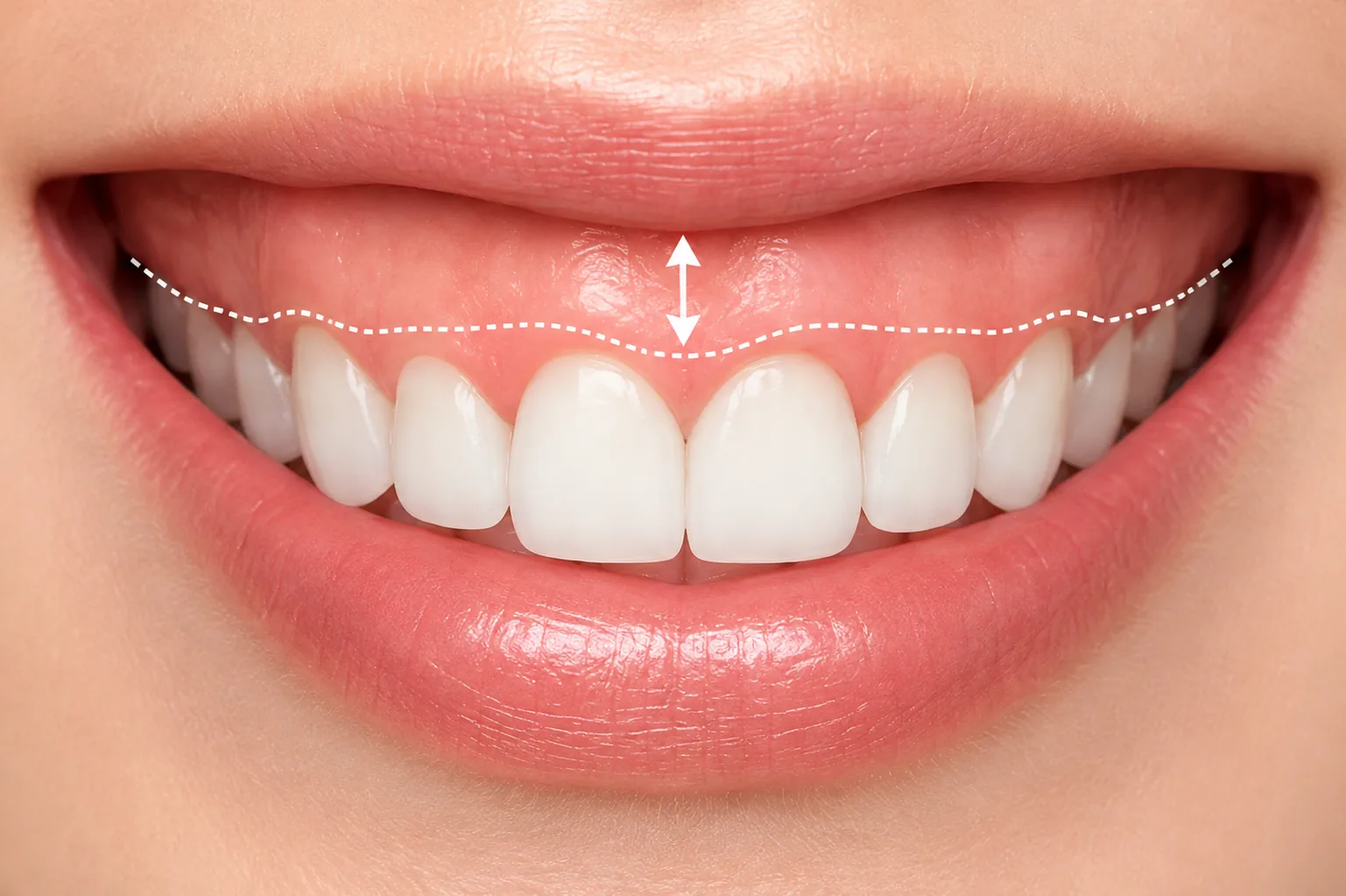
For an upper lip that rises too high when smiling, we reduce how far it rises to improve gum exposure.
Lip Repositioning (Lip Repositioning Surgery) is a procedure that reduces the depth of the oral vestibule inside the upper lip, limiting the range of lip elevation while smiling.
Unlike Gum Contouring, which trims the gums themselves, we adjust the extent to which the upper lip elevates, reducing the amount of gum exposure while smiling.
Principle of Lip Repositioning
By excising and suturing the mucosa inside the upper lip to the necessary extent, we reduce the depth of the oral vestibule, minimizing the range of upper lip elevation and gum exposure while smiling.


Lip Repositioning at New York Yonsei Dental Clinic
01Starting with the Cause
We check the strength of the upper lip muscles together with the condition of the gums and alveolar bone.
02Only the Necessary Area
The extent of surgery is decided considering the depth of the oral vestibule, the strength of the upper lip muscles and the degree of gum exposure.
03A Natural Smile
It aims to reduce the excessive amount of gum shown when smiling, without changing your facial appearance.
04Individual Treatment Plan
We also review whether other treatments, such as gum contouring, are needed.
Treatment Candidates

When the upper lip curls upward when smiling and exposes a large amount of gum

When a large amount of gum is still exposed after Gum Contouring
Lip Repositioning Treatment Process
01 Consultation and Cause Analysis
We check the depth of the oral vestibule, the strength of the upper lip muscles and the condition of the alveolar bone to determine whether surgery is suitable.
02 Anesthesia and Surgical Preparation
Local anesthesia is administered according to the surgical plan, and the extent of mucosal removal is confirmed.
03 Mucosal Resection and Suturing
We excise and suture the mucosa inside the upper lip to the necessary extent to reduce the depth of the oral vestibule.
04 Recovery and Follow-up
We check the recovery of the surgical area and explain the precautions needed in daily life.
Precautions After Lip Repositioning
Please follow the guidelines below for a smooth recovery after the surgery.
Avoid Irritating the Surgical Area
While the surgical area heals, avoid actions that irritate it, such as practicing smiles or moving your lips widely.
Avoid irritating foods.
Avoid hot, spicy or hard foods, and eat mainly soft foods.
Keep Your Mouth Clean
Care for your mouth using the method recommended by the clinic so the surgical area is not irritated.
Check Your Recovery
Please visit according to the schedule provided to check the suture site and your recovery.
Lip Repositioning Cases
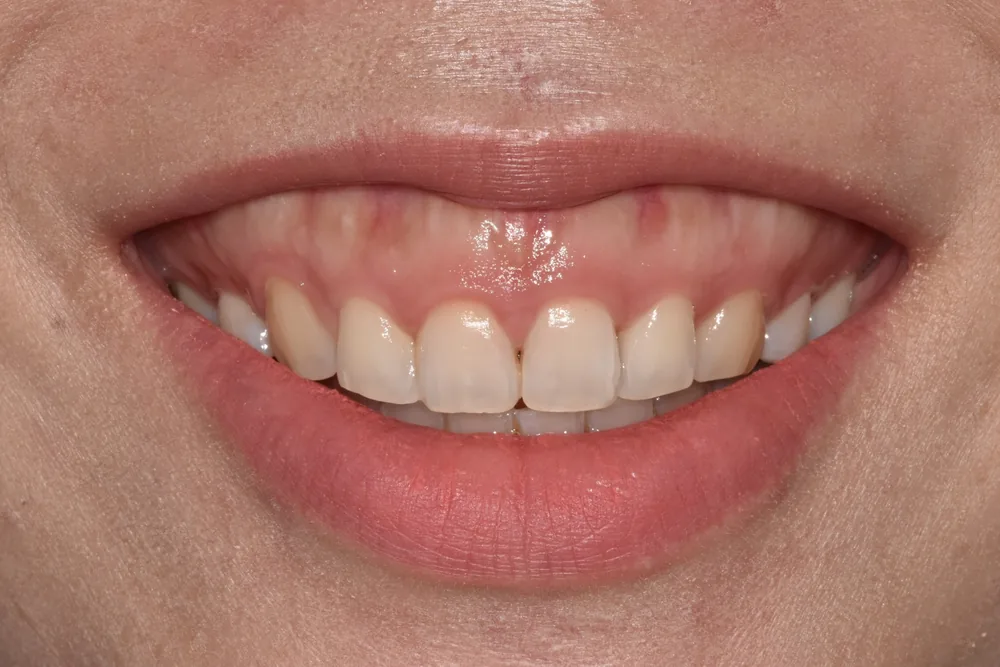
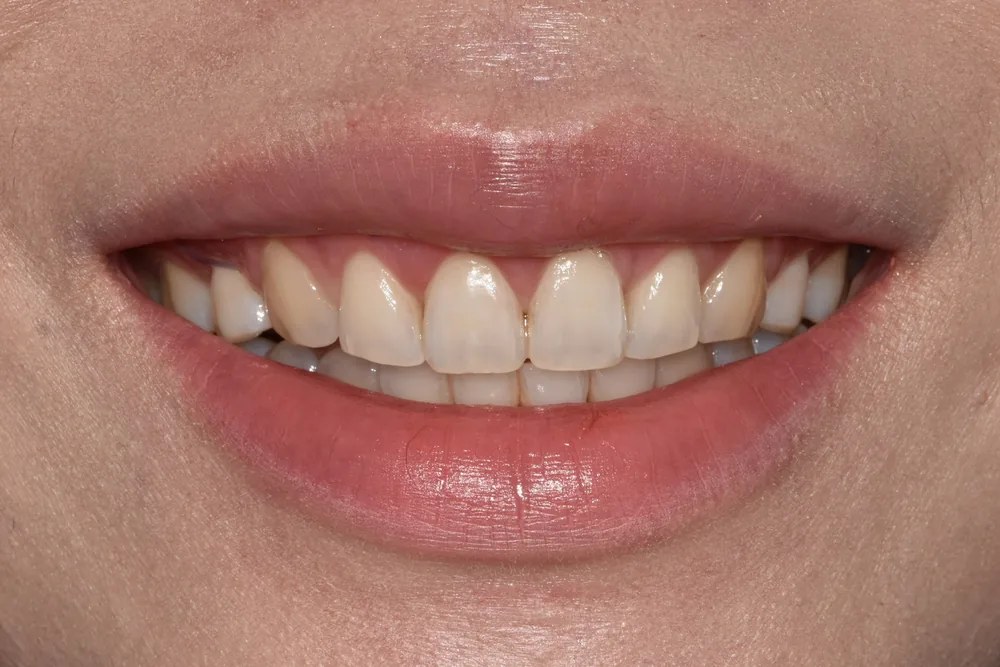
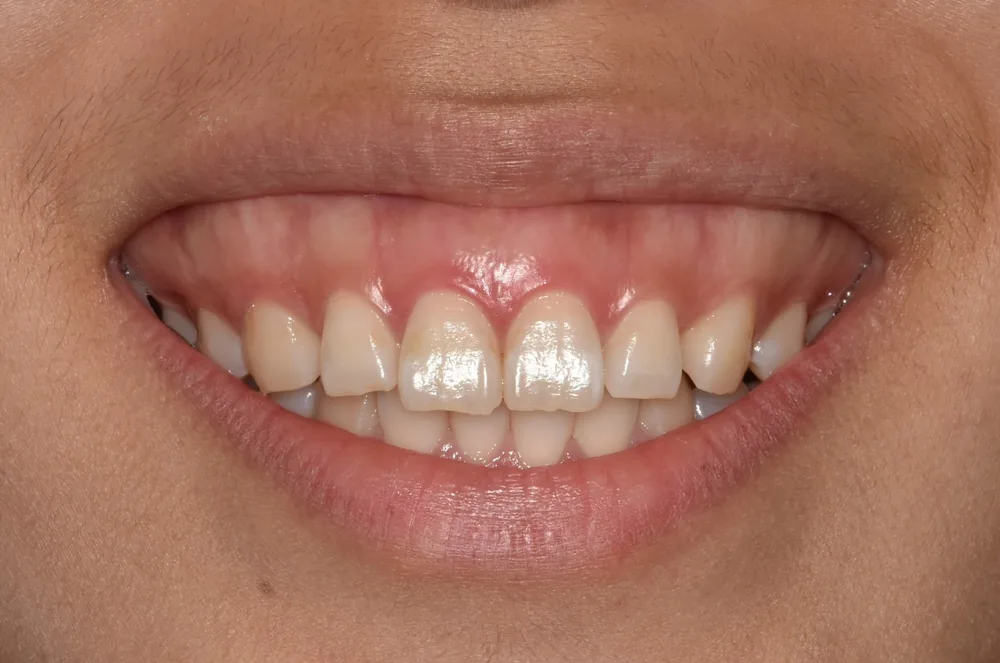
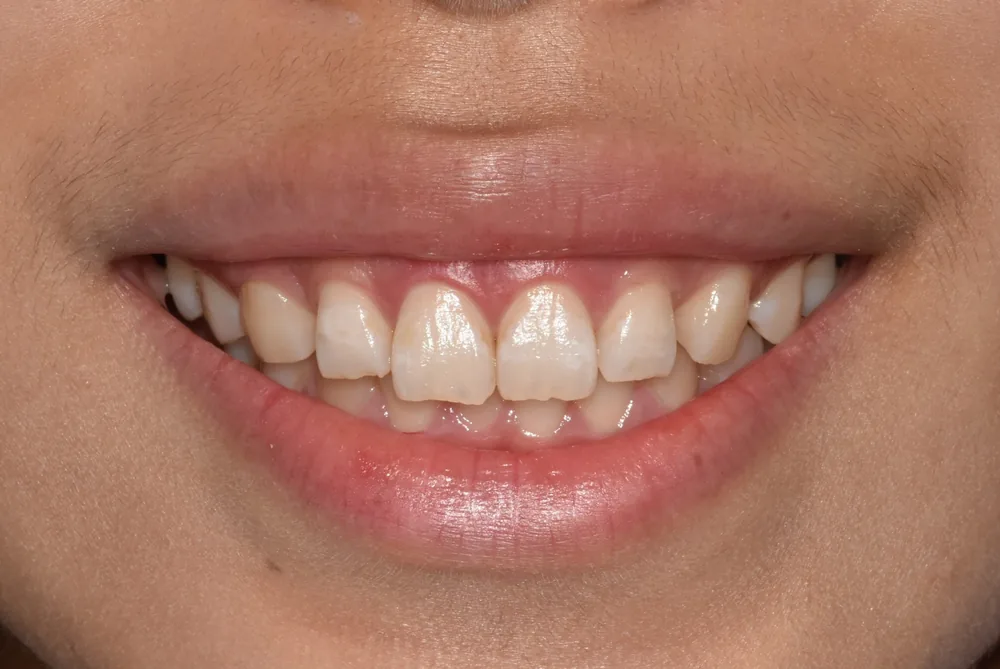
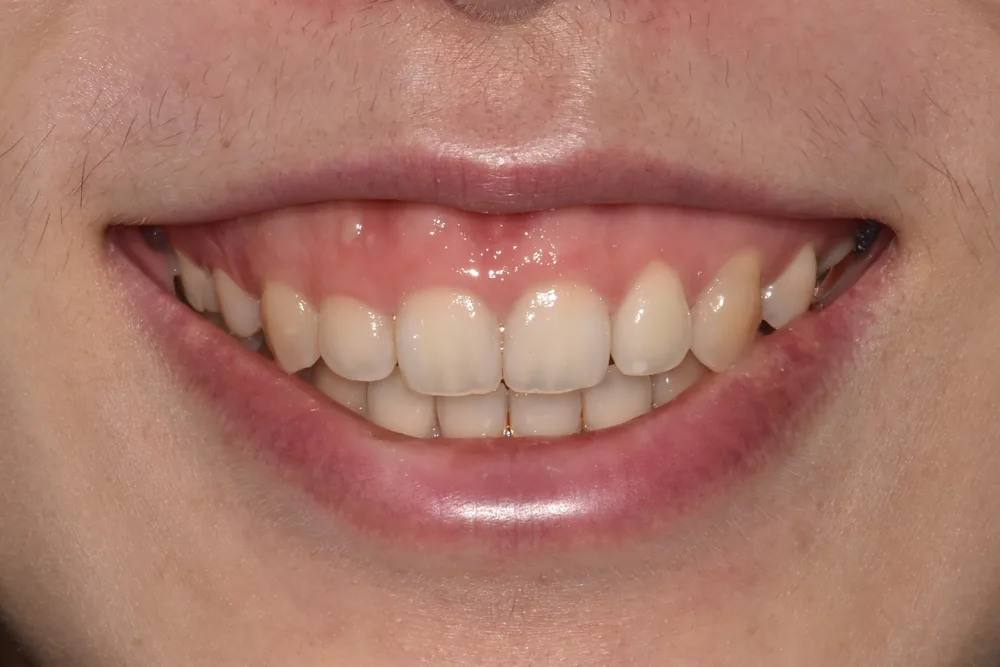
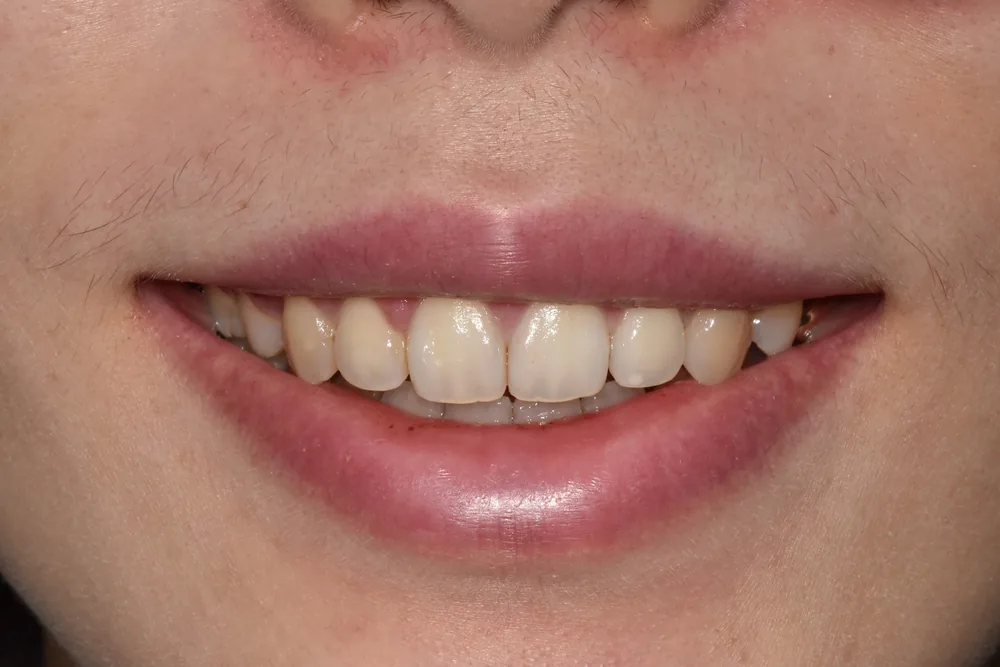
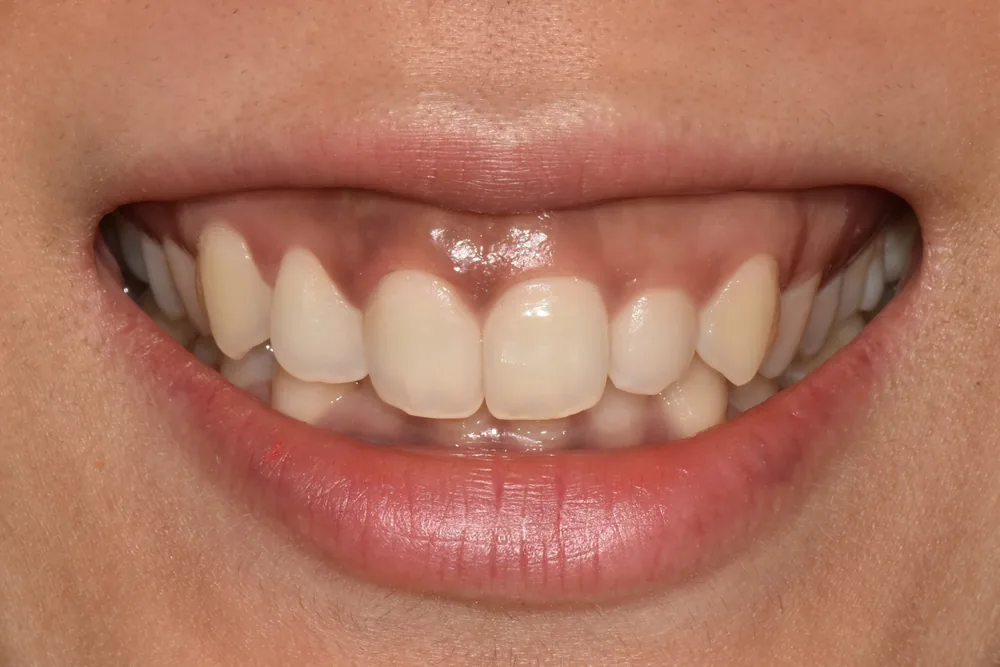
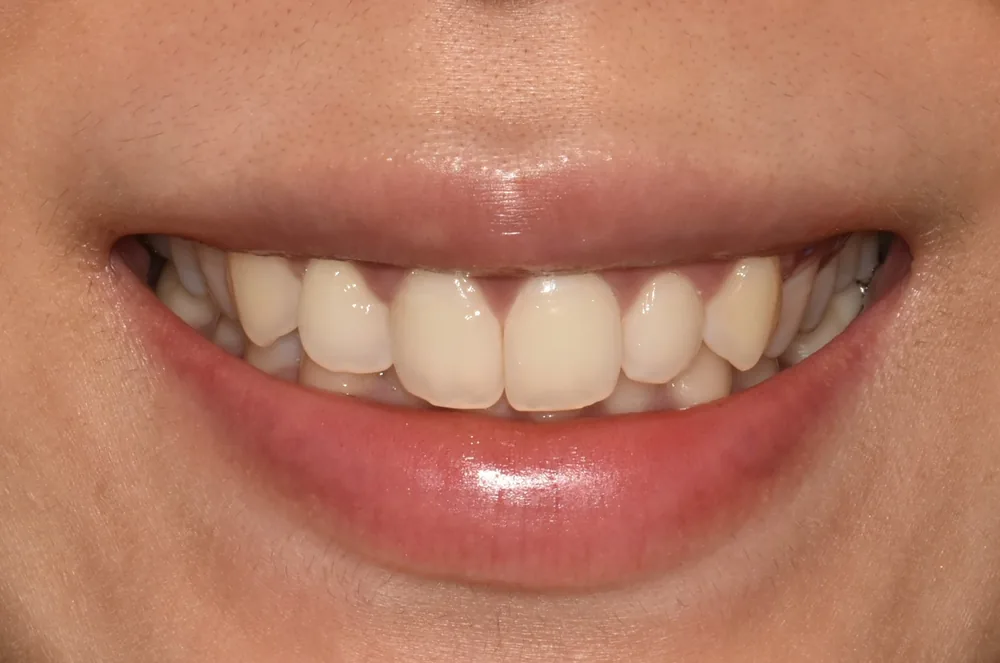
The before-and-after photos are actual treatment cases of the same patient. Treatment results and recovery vary from person to person, and side effects or complications may occur after treatment. Whether to proceed with treatment and which method to use are decided through accurate diagnosis and consultation.
Related Treatments
Who treats Lip Repositioning patients directly?
The lead dentist personally sees you from consultation through surgery and follow-up

NewYork Yonsei Dental Clinic
Lead Dentist Young Woo SON(DDS,MS,PhD)
- Graduated from Yonsei University College of Dentistry (D.D.S.)
- Master's degree (MS), New York University College of Dentistry, USA
- Ph.D., Prosthodontics, Yonsei University College of Dentistry
- Periodontics and Implantology residency · Clinical Fellow, New York University College of Dentistry, USA
- Dental licenses in Korea, the USA (California) and Mongolia
- The lead dentist personally decides whether surgery is suitable, based on vestibule depth, X-rays and clinical findings
- The same dentist handles everything from diagnosis and surgery to follow-up care, as your personal doctor in one-to-one care
- One patient per room · 100% by appointment · computer-controlled anesthesia delivery used
A license is a qualification to practice and is not the same as a specialist qualification. This clinic does not advertise a specialty. The full profile is available at Meet Our Medical Team.
What does the research say about Lip Repositioning?
Frequently Asked Questions
Yes. Lip Repositioning goes by two names in Korean, and both refer to the same procedure. It reduces the depth of the oral vestibule inside the upper lip, limiting the excessive rising of the upper lip when smiling and reducing gum exposure.
Gum Contouring is a procedure that shapes the gums excessively covering the teeth to reveal their original size. In contrast, Lip Repositioning reduces the depth of the oral vestibule inside the upper lip, limiting the range that the upper lip rises when smiling. The appropriate treatment method varies based on the cause of excessive gum visibility.
Botox temporarily reduces the strength of the muscle that lifts the upper lip, so its effect fades over time and it has to be repeated. Lip Repositioning, on the other hand, is a surgery that reduces the depth of the oral vestibule inside the upper lip to limit how far the lip can rise, and its result generally becomes relatively stable after about 6 months. Results and how long they last vary from person to person.
Not everyone with excessive gum visibility needs Lip Repositioning. After assessing the strength of the upper lip muscles, the condition of the gums and alveolar bone, we determine whether the surgery is appropriate.
We do not decide from your smile alone. We check the depth of the vestibule inside the upper lip directly in the mouth, and judge whether surgery is suitable together with X-rays and clinical findings.
Yes. We do not recommend Lip Repositioning when the vestibule is not deep, or when the cause is skeletal, with the upper jaw grown too far downward, so that orthognathic surgery is the right choice. Satisfaction may be lower if surgery is performed in such cases.
If the cause of the gum exposure is skeletal, orthognathic surgery is the suitable treatment; if it is the upper lip muscle, Lip Repositioning is. If both causes are present and orthognathic surgery feels too burdensome, Lip Repositioning can be considered first. The cause is always confirmed by diagnosis first.
Lip Repositioning takes Approx. 40 minutes for Surgery. However, Duration needed for consultation and Anesthesia, etc. may be added, so the Duration from actual visit until treatment ends may be longer.
At New York Yonsei Dental Clinic, Lip Repositioning costs KRW 2,000,000 to 2,800,000 (VAT not included). The actual cost varies with the surgical method and your oral condition, and is explained after diagnosis.
New York Yonsei Dental Clinic uses a painless anesthesia system to reduce discomfort. When the anesthesia wears off after surgery, swelling, tightness or discomfort may occur, and the degree varies from person to person.
Most people can resume daily life from the day of surgery. This does not mean you return to normal right away; swelling, tightness and discomfort may occur. Recovery usually takes about 2 to 4 weeks and varies from person to person. For about 1 month after surgery, avoid alcohol and smoking, and refrain from laughing widely or straining your lips.
You can eat after the anesthesia wears off following the surgery. In the initial recovery stage, it is advisable to consume soft foods and avoid hot or spicy foods.
Initially, swelling and tightness at the sutured area may cause the lips to feel tight or uncomfortable. This sensation may gradually ease with recovery, and the extent and recovery period vary among individuals.
Because the surgery is performed on the mucosa inside the upper lip, a surgical scar generally does not form on the outside of the lip. However, traces of the suture site or tissue changes may remain inside the lip, and recovery varies from person to person.
Lip Repositioning is not a cosmetic surgery but a procedure to limit the excessive rising of the upper lip when smiling. The goal is to reduce the amount of gum visibility when smiling without altering appearance.
Lip Repositioning aims to reduce the range of upper lip elevation while smiling, creating a natural smile. However, initially, swelling or tightness may make the smile feel awkward, and the recovery varies from person to person.
The degree of gum exposure may change somewhat as the tissue heals after surgery. The result generally tends to become relatively stable about 6 months after surgery, but depending on upper lip muscle strength and each person's tissue condition, gum exposure may increase again. That is why we check your progress after surgery as well.
After surgery, swelling and pain may occur, and recovery usually takes about 2 to 4 weeks. One study reported reduced lip sensation and opening of the suture site, and the authors considered these symptoms temporary. Gum exposure may also increase again depending on upper lip muscle strength and tissue condition. If the surgical site opens, or if there is pus or a fever, please contact us right away.
Yes. When the gums excessively cover the teeth and the gums are also highly exposed due to the strength of the upper lip muscles, both treatments can be considered together. The appropriate treatment is decided after checking the condition of the gums and alveolar bone, the depth of the oral vestibule and more.
At New York Yonsei Dental Clinic, 3F Junbuilding, 378 Gangnam-daero, Gangnam-gu, Seoul. We are right outside Exit 3 of Gangnam Station and operate 100% by appointment, so please book first by phone or KakaoTalk.
Yes. If you tell us when booking that you want same-day surgery, we proceed that day when the diagnosis shows surgery is suitable. Even if you did not say so in advance, we can proceed if the schedule allows. However, depending on your oral condition, same-day surgery may be difficult.