
Types of Dental ImplantsImplant
We plan appropriate Dental Implant treatment considering the Alveolar Bone condition and the extent of tooth loss.
Types of Dental Implants
Dental Implant is a treatment that replaces missing teeth.
Depending on the location and number of missing teeth and the Alveolar Bone condition
Treatment can be planned in various ways.
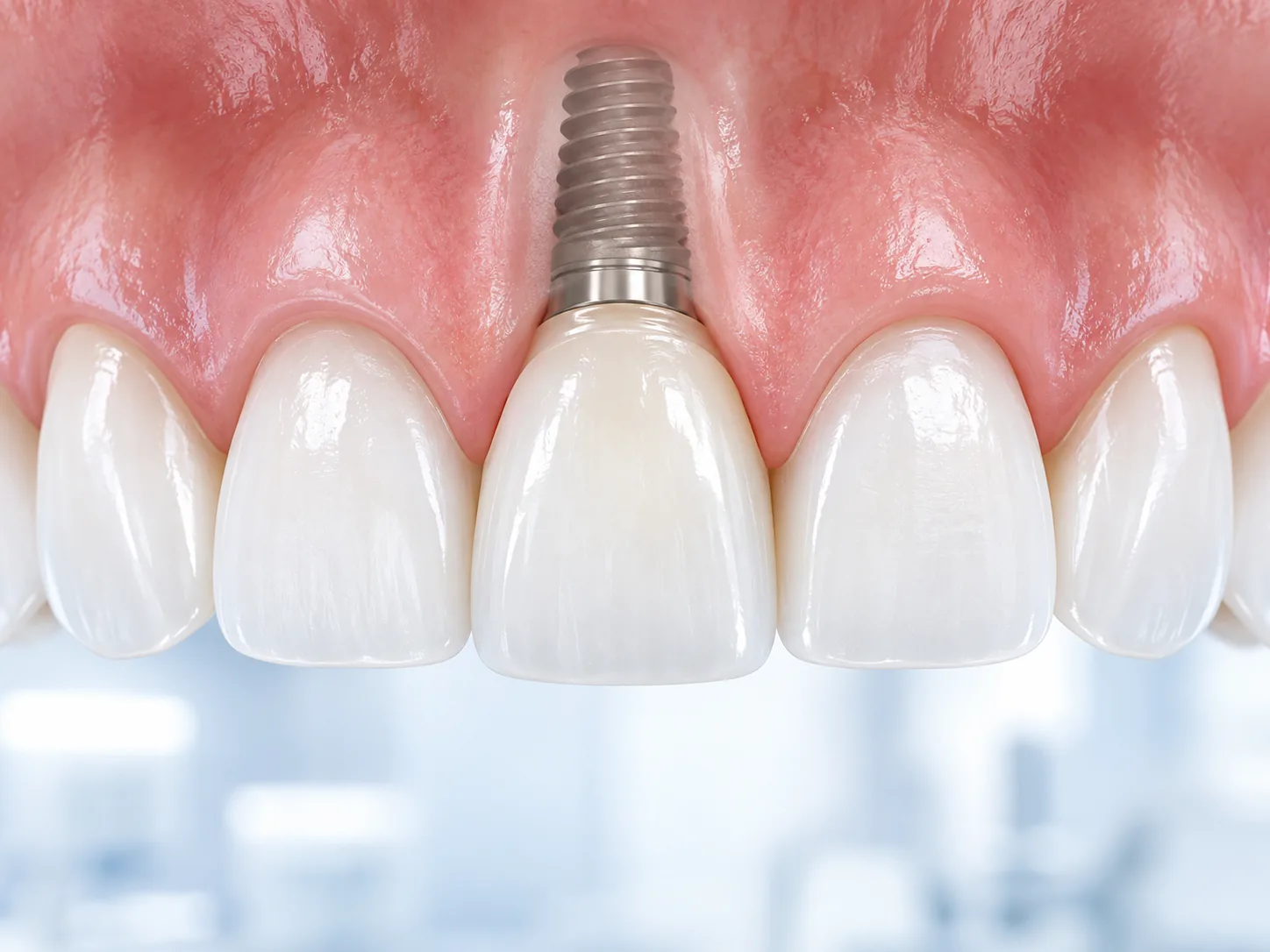
Aesthetic Dental Implant
When aesthetically restoring teeth in highly visible areas like front teeth
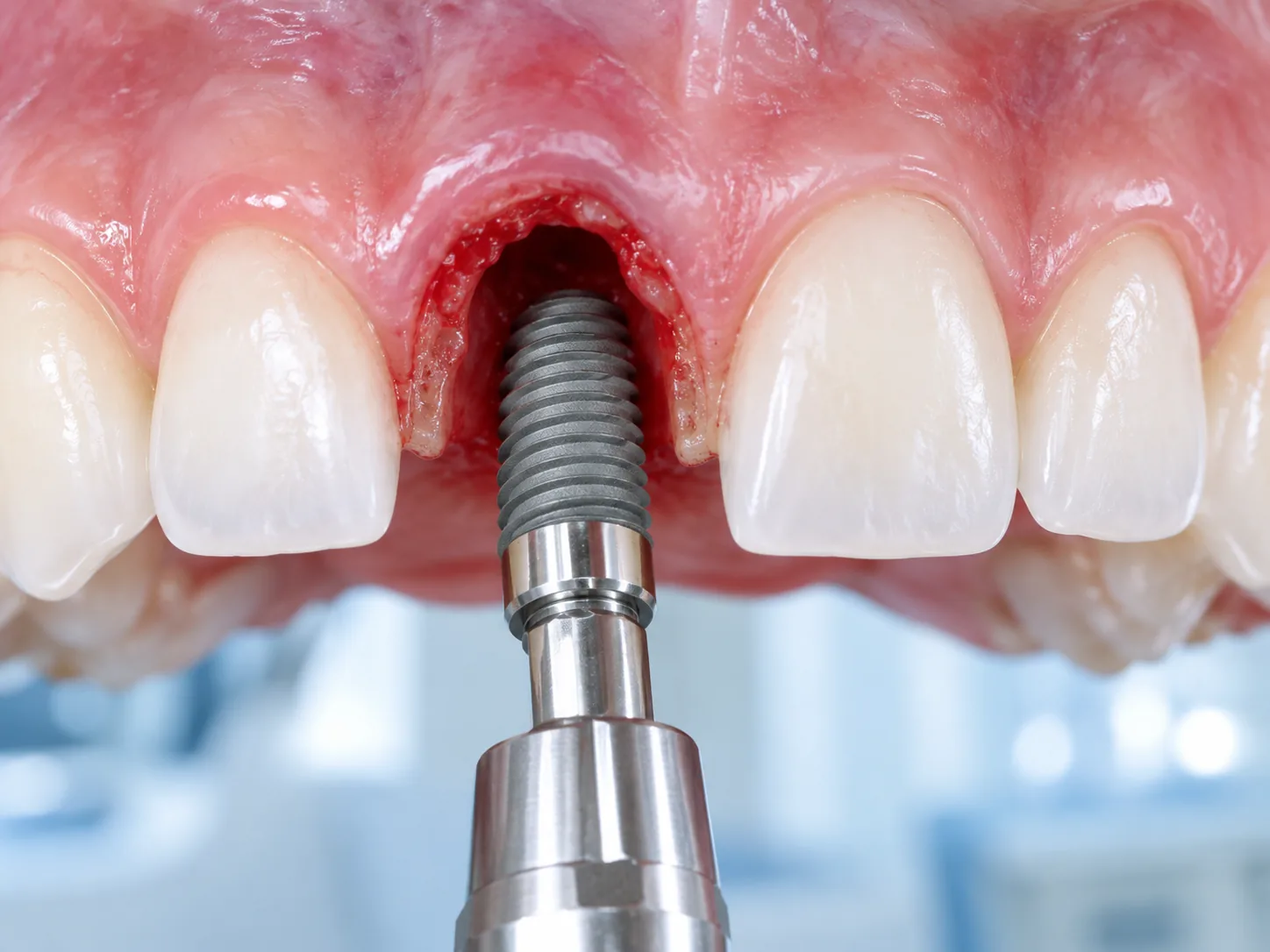
Immediate Dental Implant
When Immediate Dental Implant placement at the same time as extraction can be considered
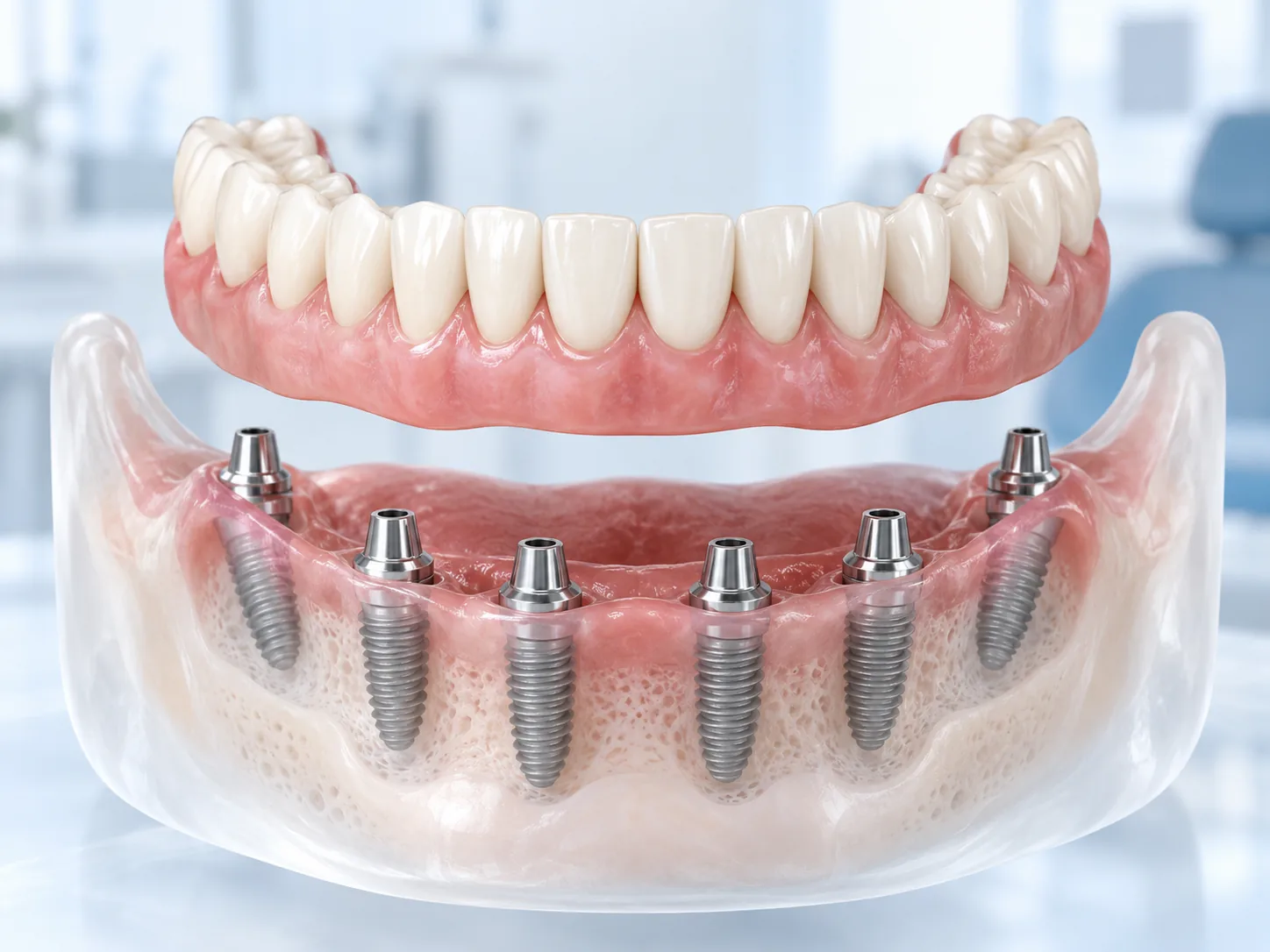
Full-Arch Dental Implant
When multiple teeth or all teeth are lost
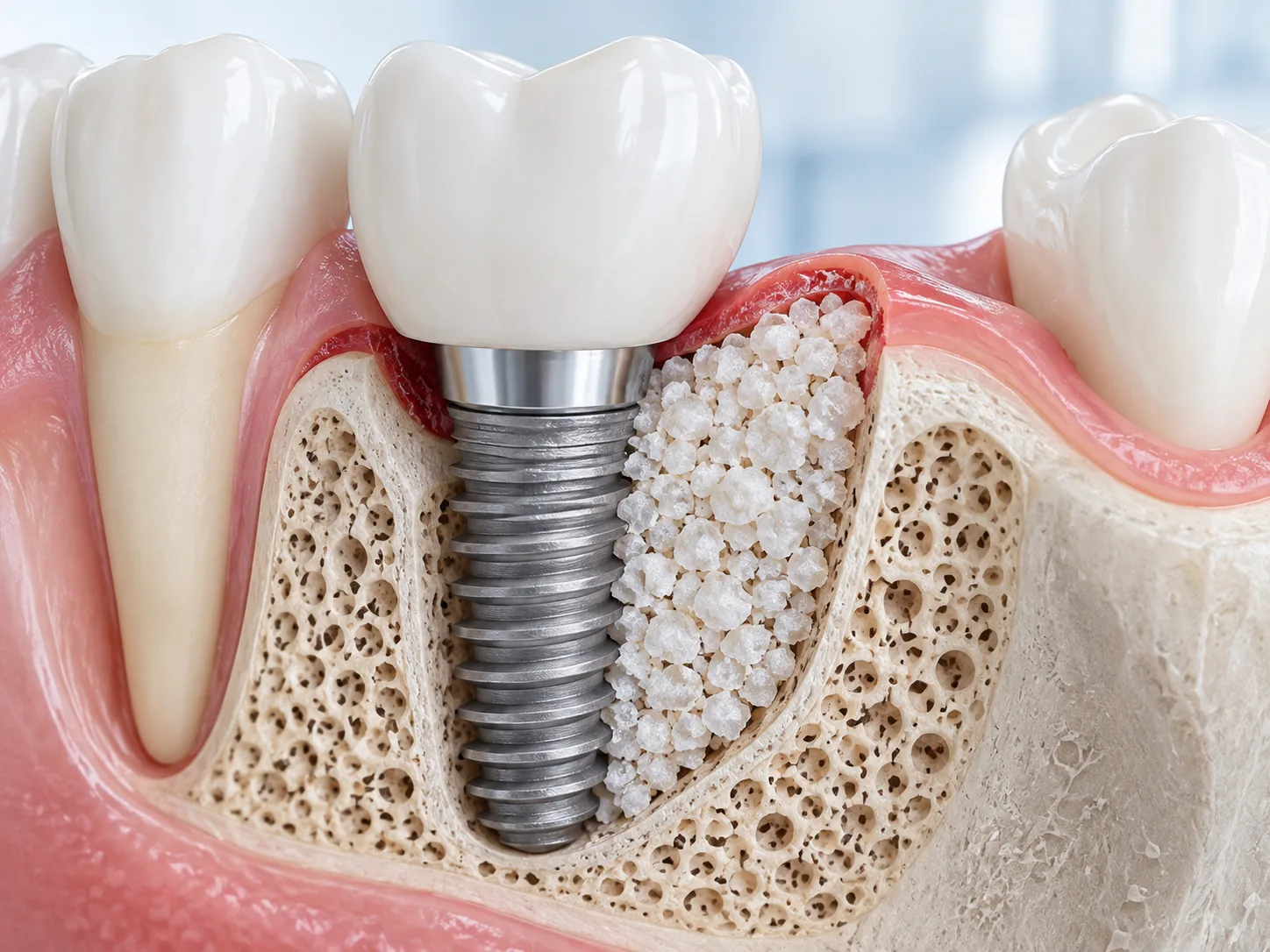
Bone Graft Dental Implant
When Alveolar Bone for placing Dental Implant is insufficient
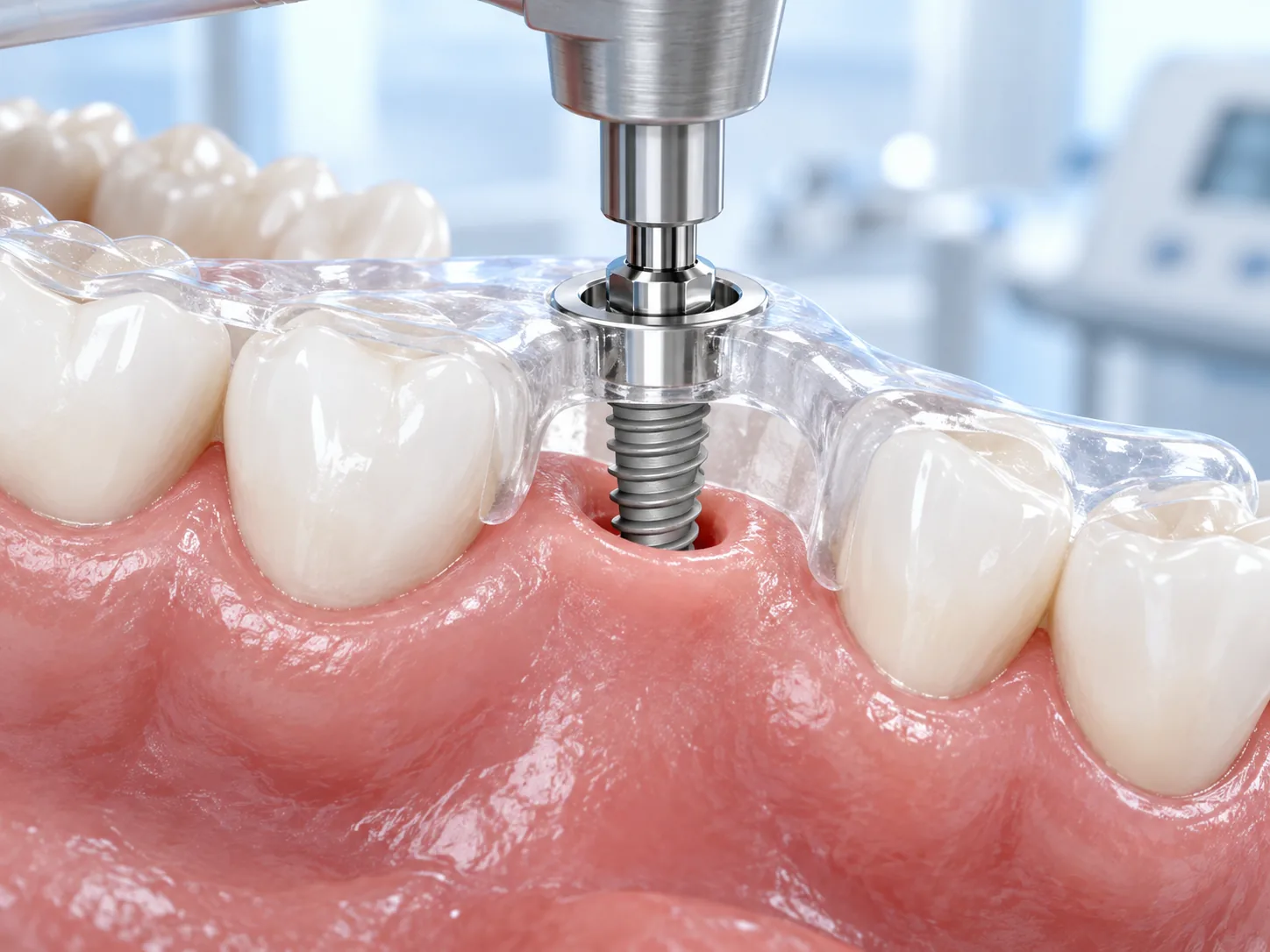
Flapless Dental Implant
When it can be placed without a wide gum incision.
Implant method suitable for my condition
Dental Implant method is not a Choice of the desired Type, but the location and number of missing teeth,
The decision is made after evaluating the condition of the Alveolar Bone, etc.
Aesthetic
Dental Implant
Considered in this Situation
- When front teeth are lost and aesthetic restoration is needed
- Cases where the gum line around the front teeth and tooth shape must be considered together
Main Confirmation Items
- Gums line and Alveolar Bone shape
- Color and shape harmony with surrounding teeth


Immediate
Dental Implant
Considered in this Situation
- Cases where implant placement can be considered simultaneously with extraction
Main Confirmation Items
- Quantity and condition of the Alveolar Bone.
- Whether there is Inflammation and the possibility of Primary Stability


Edentulous
Dental Implant
Considered in this Situation
- When multiple teeth are missing
- When all teeth are lost and masticatory function recovery is needed.
Main Confirmation Items
- Condition of remaining Alveolar Bone.
- Number of Dental Implant and All prosthetic plan


Bone Grafting
Dental Implant
Considered in this Situation
- When Alveolar Bone for placing Dental Implant is insufficient
- When alveolar bone is absorbed after tooth loss
Main Confirmation Items
- Width and height of the Alveolar Bone.
- Whether Bone Grafting Is Needed and Its Extent


Flapless
Dental Implant
Considered in this Situation
- When the Alveolar Bone condition is suitable for a Flapless Approach.
Main Confirmation Items
- Width and height of the Alveolar Bone.
- Location of nerves and other surrounding structures


Before·after treatment Photos are Imaging of the same patient's before and after treatment. All Procedures have the possibility of side effects and complications, and in treatment results and Recovery period, Individual results may vary.
Dental Implant Treatment Process
01 Oral Examination and Precision Examination
We examine your oral condition and X-rays and, when needed, use a CT scan to check the condition of the jawbone and surrounding structures.
02 Implant Placement
Based on the examination results, the implant is placed at the planned position. Depending on the condition of the jawbone, additional treatment such as bone grafting may be needed.
03 Healing and Osseointegration
The placed implant goes through a period in which it bonds with the surrounding bone. The healing period may vary depending on the condition of the jawbone and the treatment method.
04 Prosthesis Fabrication and Attachment
After checking the condition of the implant and gums, the prosthesis is fabricated and attached, and the bite is adjusted.
Frequently Asked Questions
For Dental Implant, possible treatment Procedure varies depending on the amount and Status of Alveolar Bone, the location of the missing tooth, and so on. Possible Procedure is Confirmation based on CT and oral exam results, and the Characteristics of each Procedure are Guide.
For Dental Implant, Placement position and number are planned considering not only the current amount and shape of Alveolar Bone but also the position and shape of the final prosthesis Together. Through CT, the location of Alveolar Bone, nerves, and other major structures is Confirmation, and When Necessary, a specific placement plan is made through simulation.
After Confirmation of various conditions such as whether there is Inflammation at the extraction site and whether Alveolar Bone is sufficient, whether it is possible is Assessment. If conditions are suitable, Immediate Dental Implant, placing a Dental Implant at the same time as extraction, may be considered. However, it is not possible in all cases, and a typical Dental Implant may also be Procedure after a healing period following extraction.
Immediate Dental Implant is a Procedure of placing a Dental Implant on the same day the tooth is extracted, and There are differences from the method of waiting a Separate healing period after extraction before placement. It can help reduce the treatment period, but Indication is decided after checking the Status of the extraction site and Alveolar Bone conditions.
If the Alveolar Bone at the site for placing Dental Implant is not sufficient, Bone Grafting may be needed. However, the amount and shape of bone are Confirmation through CT and oral exam, and whether it is possible to Proceed without bone grafting by adjusting Dental Implant position or placement Procedure is also reviewed Together. Treatment Procedure is planned according to When Necessary.
The additional healing period needed varies depending on the scope and Procedure of Bone Grafting. In general, several more months may be needed until bone Recovery, and in cases where additional bone must be secured such as Sinus Lift Surgery, the treatment period may be longer. The exact period varies depending on Alveolar Bone Status and Bone Grafting Procedure.
The method of placing a Dental Implant without cutting open the gums is called Flapless Dental Implant. It can be considered when the width and height of the Alveolar Bone are sufficient and the exact placement location can be confirmed. However, depending on the condition of the Alveolar Bone or the position of the nerve, a gum-incision approach may be necessary.
Flapless Dental Implant is a method that minimizes Gums incision or proceeds without incision, and compared to the general incision method, it may help reduce bleeding and swelling. However, whether Indication is possible varies depending on the Alveolar Bone Status and placement conditions.
If there are no teeth at all, several Dental Implant can be placed and a prosthesis connected on top of them to allow Recovery of All teeth. The required number of Dental Implant is decided by comprehensively considering the Alveolar Bone Status of the upper and lower jaws, and the form and position of the final prosthesis, etc.
Yes. If the Alveolar Bone condition and oral conditions are suitable, a fixed prosthesis can be fabricated using multiple Dental Implants. However, whether a fixed prosthesis is feasible and how many implants are needed are determined after assessing the amount and location of Alveolar Bone and the overall oral condition.
Yes. Front teeth can also be treated with Dental Implant. However, because the visible gum line, the color and shape of surrounding teeth must be considered, aesthetic aspects require careful planning. After evaluating the Alveolar Bone and gum condition, an appropriate treatment method is determined.
New York Yonsei Dental Clinic uses both Osstem and Straumann Dental Implants. We provide information on the features and differences of the two products, and patients can choose the desired product after hearing the explanation.
You do not necessarily have to go without teeth until the prosthesis is completed after placing Dental Implant. Depending on the treatment site and oral Status, one may go without a temporary tooth, and When Necessary, a temporary denture or temporary fixed tooth can be used. Which method is suitable is decided after Confirmation of the Dental Implant position and Primary Stability, among other factors.
Dental Implant treatment Procedure is determined by combining panorama and CBCT(dental 3D CT) exams and oral exam results. After Confirmation of the amount and Status of Alveolar Bone, nerve location, and prosthesis plan, possible treatment Procedure is Guide.
The number of visits and treatment period depend on whether extraction is needed, bone grafting is required, the initial stability of the implant, and the prosthetic plan. After examination, we will guide you through the expected treatment process and schedule. During treatment, visits are needed to check the implant and gum condition.
After surgery, pain, swelling, or bruising may occur, and the severity varies depending on the extent of the surgery and the individual’s condition. It is important to follow the post‑operative instructions and manage care according to the prescription.
Yes. New York Yonsei Dental Clinic is located on the 3rd floor of Jun Bldg., in front of Gangnam Station Exit 3, about a 1‑minute walk from the exit.